Choosing the right car scanner app can make all the difference in maintaining your car. There are dozens of options on the market, each with different features and prices, which makes the decision much more complex than it seems.
OBD2 Car Scanner - EOBD Facile
Outils OBD Facile
This guide is designed to help you compare the best automotive scanner applications available and understand exactly which one best suits your needs. You will discover key selection criteria, essential functionality, and how to avoid common pitfalls when investing in a digital automotive scanner.
What is an Automotive Scanner App and How It Works
An automotive scanner app is software that connects to your vehicle's electronic system via a diagnostic adapter.This adapter, usually connected to the OBD2 (On-Board Diagnostics 2) port located under the car dashboard, communicates all system information to your smartphone or tablet. The app then translates this technical data into information that you can understand and use for preventive maintenance.
Most modern automotive scanners work via Bluetooth or WiFi, eliminating the need for long, cumbersome wires. When you start the car, the device connected to the OBD2 port immediately begins to collect data about the engine, transmission, battery, tires and dozens of other components. The app then organizes this information into an intuitive dashboard where you can view error codes, problem history and maintenance recommendations.
The Main Criteria for Comparing Automotive Scanner Apps
Before choosing an automotive scanner app, you need to evaluate some fundamental technical factors that directly impact the usefulness of the product. The first of them is compatibility with your vehicle specifically, as not all scanners work with all cars. Some apps are more robust with European brands like Volkswagen and Audi, while others stand out with Asian vehicles like Toyota and Honda.
The ability to read and clean error codes is another critical feature to consider. Some apps just read the codes and describe the issues, while others allow you to wipe these codes directly from your phone.If you often need to turn off the "check engine" light or monitor specific engine parameters, this functionality becomes absolutely essential in your choice.
You should also evaluate the depth of data that the app can access inside your car. A basic scanner accesses only the fault codes (P-codes), while more advanced scanners can read real-time data such as engine temperature, revolutions per minute (RPM), speed, fuel consumption and even oil pressure. The more parameters you can monitor, the more control you will have over the health of your vehicle.
Comparison of the Main Automotive Scanners Categories
There are basically three categories of automotive scanner applications on the market, each directed to a different type of user. The first category is that of basic and free scanners, which offer limited but sufficient functionality for occasional users who just want to identify problems. The second is that of paid professional scanners, developed for mechanics and technicians who need deep and reliable diagnostics. The third is that of premium scanners with internet support and constant updates, ideal for those who want a complete and up-to-date experience.
Basic scanners usually charge between R$0 and R$30 per month and offer code reading, fault description and problem history. They work well to diagnose obvious problems like faulty oxygen sensor or transmission problems, but do not allow access to more specific parameters. If you are just starting out and want to test the technology without significant investment, this category is suitable for your first experiments with electronic diagnosis.
Professional scanners cost between R$ 100 and R$ 500 per single purchase or R$ 50 to R$ 150 per month and offer full access to the diagnostic system of your car. They allow reading of multiple systems, cleaning codes, data graphics in real time and even access to specific parameters of each vehicle brand. If you work with automotive repair or have multiple cars that require constant monitoring, investing in a professional scanner is easily justified.
Premium scanners with online support cost between R$ 200 and R$ 800 per year and include automatic database updates, user community, cloud data analysis and even integration with other applications. These services keep your databases up to date as new brands and models emerge on the market, ensuring you always have access to the latest information on automotive diagnostics.
How to Choose the Best App for Your Car Type
Compatibility with your specific vehicle is the deciding factor when choosing an automotive scanner app. You need to check that the app is compatible with the make, model and year of your car before making any investment.Many apps work perfectly with domestic cars like Chevrolet, Ford and Fiat, but may have limitations with premium brands like BMW or Mercedes-Benz that have more closed proprietary systems.
Before downloading any app, go to the app page in the store and read the compatibility specifications carefully.Search for reviews from other users who have the same car model as you, as these real experiences are more reliable than generic developer promises.If possible, join groups of owners of your model on Facebook or car forums to ask which app other users recommend.
Also consider financial accessibility as per your specific case. If you plan to use the scanner only once or twice a year to check for occasional issues, a free or cheap app works well.But if you have a habit of monitoring your fleet constantly or work as a mechanic, premium scanners with support and automatic updates really make up for the larger investment.
Advanced Features that Differentiate the Best Scanners
The best automotive scanner apps go far beyond simply reading error codes.They offer advanced features like real-time data graphics that show how parameters like engine temperature and fuel consumption vary as you drive.Some apps allow you to set up custom alerts that notify your phone when a parameter goes outside normal limits, functioning as an active monitoring system for your vehicle.
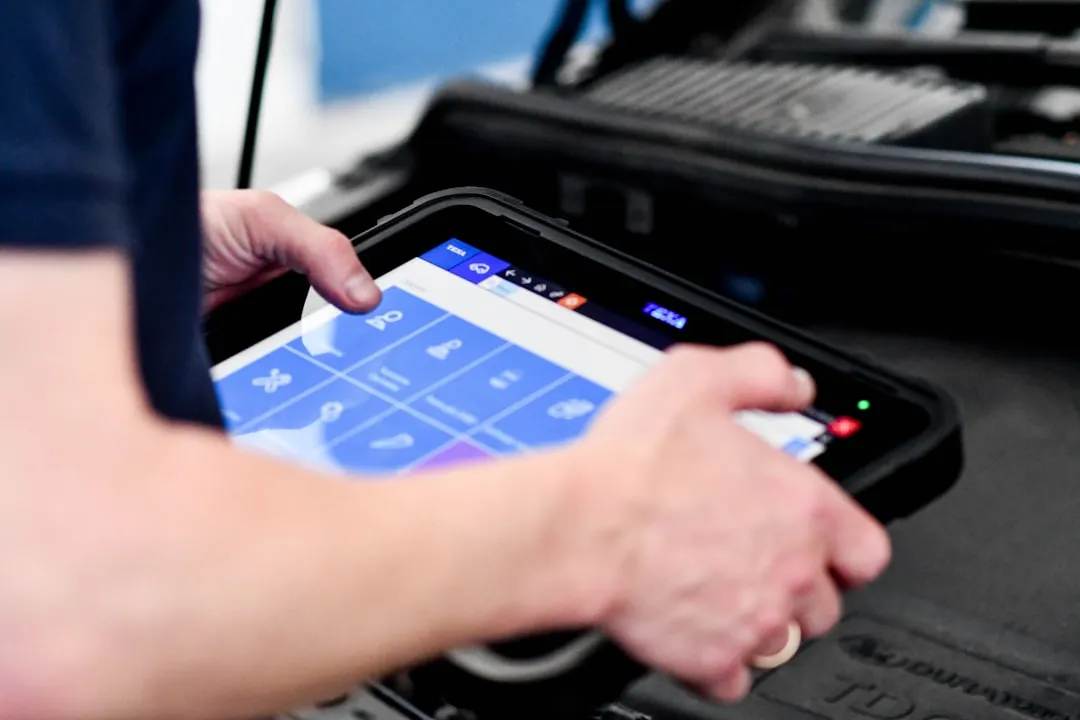
Another valuable feature is the detailed fault history, which records not only what problems occurred but also when they occurred and how often. This helps you identify patterns, such as whether a specific fault always occurs in cold conditions or after a certain time of use. Some premium scanners even allow you to export that history to PDF or share it with mechanics so that they have more context before starting the diagnosis.
Component testing features also differentiate high-end scanners. Some apps can test solenoids, control valves and other car electronics to see if they are working properly. This ability to make preventive diagnostics helps you anticipate problems before they become costly failures that leave your car stationary.
Evaluating User Interface and Ease of Use
One of the mistakes that many users make is to underestimate the importance of a good interface in the automotive scanner app. If the application is too complex or has a confusing design, you probably will not use its full functionality and will have difficulty extracting useful information from the collected data. Therefore, before downloading any paid app, watch demo videos on YouTube to see exactly how the interface works in practice.
Look for an app that presents information visually and intuitively, with colorful graphics and clear alerts about the status of your car. The best interface is the one that can show at a first glance if your car is fine or if there is a problem that needs attention. If you need to navigate through multiple menus to find basic information, you are probably considering an application with poor design.
Also make sure the app supports different languages, as some premium scanners come only in English. If you are not fluent in technical English, an app that works in Portuguese makes the experience much clearer and reduces the risk of you interpreting information incorrectly. The availability of tutorial in portuguese and customer support in your language is also an important differentiator when you need help understanding a specific reading.
Security and Privacy Considerations
When you connect your car to an automotive scanner app, you are allowing this software to access sensitive data about your vehicle and its usage patterns.For this reason, you should choose apps from trusted, established companies in the market, not from unknown developers. Check reviews in the app store, search for the company on Google and see how long it has been operating in the market.
Read the app's privacy policy carefully to understand exactly what data is being collected and how it is stored. Some apps collect location data, driving speed and usage patterns for analytics and advertising purposes, which can be a concern depending on your priorities. The best scanners give you full control over what data you want to share and which you prefer to keep private on your device.
Also consider whether the app works with or without an internet connection. Apps that work completely offline offer more privacy, as your data never leaves your phone. However, apps that sync to the cloud offer automatic backup and the ability to access your data from any device. Choose your preference between absolute privacy and convenience.
Comparing Costs and Business Models
The business model of the automotive scanner app directly influences how much you will pay over time. Some apps charge a one-time purchase fee that can range from $50 to $500, while others use monthly or annual subscription model. Some offer free version with limited functionality and charge for access to advanced features, while others charge from the start.
Calculate the total cost over a three-year period to properly compare different options. An app with a one-time fee of R$300 may seem expensive initially, but it is cheaper than a subscription of R$30 per month for three years, which would add up to R$1,080. However, consider that subscription-based apps often offer constant updates and technical support, while one-time-rate apps may become outdated.
Some premium scanners offer free trial period or 30-day money back guarantee, which is great for assessing whether the app really meets your needs before committing financially. Use this trial period to check compatibility with your specific car, test all the core functionalities, and evaluate whether the interface works well for you.
Integration With Other Apps and Services
The best automotive scanners don't work in isolation, but integrate with other apps you already use on your phone. Some apps can sync data with car maintenance apps, allowing you to automatically record when you've serviced or what your most recent fuel reading was. Others integrate with navigation apps to mark nearby service points when they detect problems in the car.
If you already use specific apps to manage your car's maintenance, make sure the car scanner you're considering works well with these software. Seamless integration between apps saves time and reduces the chance that you'll forget to log important information about your vehicle's health.Some premium scanners even offer open API for developers to create new integrations.
Conclusion
Choosing the best car scanner app for your car involves evaluating compatibility with your specific vehicle, features you actually use, interface quality and cost-effectiveness over time. There is no single best app for everyone, as needs vary significantly between an occasional user who just wants to identify the meaning of that "check engine" light and a professional mechanic who needs in-depth diagnostics on a daily basis.
Start by evaluating your real needs: how often you will use the scanner, what types of information interest you most, and how much you are willing to invest. Then, test free apps or take advantage of evaluation periods to find the solution that offers the best balance between functionality, ease of use, and cost for your specific case. With the right tool in hand, you will have much more control over the maintenance of your vehicle and can identify problems long before they become expensive repairs.