
Do you want to know which application to identify plants is the best for your needs? Artificial intelligence technology has completely revolutionized the way we discover information about flora, making it possible to identify any species just by photographing its leaves or flowers. In this article, you will understand how these tools work and learn how to choose the ideal solution for your profile.
PictureThis Identificar Planta
Glority Global Group Ltd.
The market for plant identification applications has grown exponentially in recent years, especially after advances in computer vision and machine learning.You will find everything from free and simple options to premium platforms with advanced features, each with its own strengths and limitations. Understanding these differences is essential to investing your time and money in the right tools.
How Plant Identification Apps with AI Work
Modern applications for identifying plants use convolutional neural networks, a type of artificial intelligence trained with millions of images of plants from around the world.When you photograph a plant, the algorithm analyzes characteristics such as leaf shape, texture, colors and patterns to compare with its database. The result is accurate identification in seconds, often accompanied by information about care and characteristics of the species.
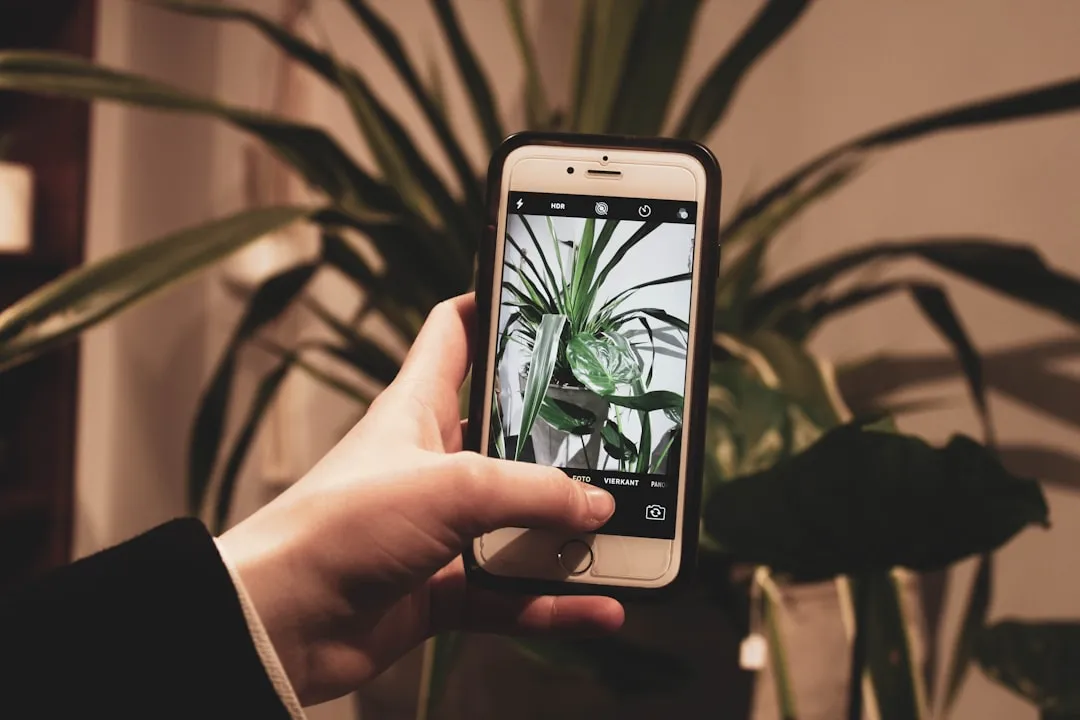
The quality of identification directly depends on the quality of the photo you take and the breadth of the application database. You should photograph the leaf or flower with good lighting, avoiding shadows and blur, as these factors significantly affect the accuracy of the result. Some applications allow multiple attempts and refine their responses as they receive more images of the same plant from different angles.
The best identification apps also use contextual information such as geographic location and user climate to increase the accuracy of responses. You may notice that a more sophisticated app not only identifies the plant, but also provides data on the region where it is native, flowering seasons and even potential pests that affect it. This data integration makes the experience much more useful and educational.
Top Apps: Features, Advantages, and Limitations
There are dozens of applications on the market, but some stand out significantly for the quality and quantity of functionality offered. You will need to evaluate not only the accuracy of identification, but also secondary features, interface, price and whether the tool synchronizes your data in the cloud. Below you will find a detailed analysis of the main options available.
PlantSnap
PlantSnap is one of the most popular applications for identifying plants, with a database that exceeds 600 thousand cataloged species. You can photograph flowers, leaves or even the entire plant, and the application provides results with quite high reliability.The free version offers unlimited identifications, although the premium version (PlantSnap Premium) unlocks features such as detailed history, expanded care guides and insect pest identification.
One of the biggest advantages of PlantSnap is its global community of users who validate identifications and share cultivation tips. You can connect with other plant enthusiasts, see how other people care for species similar to yours, and even receive personalized advice. Integration with social networks allows you to easily share your findings and create a visual portfolio of identified plants.
PlantSnap limitations include occasional inaccuracies in less common plants or hybrids, especially if the photo is not of excellent quality. You may notice that in low-light environments or in plants very different from the typical photographic pattern, the application may suggest multiple options leaving the final choice for the user. The free version also displays ads, which can be cumbersome for frequent use.
Google Lens
Google Lens is not an application dedicated exclusively to plants, but its botanical identification ability is impressive and generally underestimated. You can use Google Lens directly from the camera of your Android smartphone or iPhone, simply pointing to the plant and letting Google's AI analyze the image. The result integrates with Google's search engine, providing additional information and links to learn more about the species.
The great advantage of Google Lens is that you already have the tool installed on your phone without the need for additional download, making it extremely convenient for occasional use. You do not need to create accounts or provide personal information, keeping your privacy intact.The processing speed is very fast, and the integration with Google Search provides additional context about rarity, geographic distribution and plant uses.
The main limitation is that Google Lens has not been optimized specifically for botanical identification like the dedicated apps, occasionally resulting in less accurate identifications for obscure species or plants with varietal variations.You also miss out on the community aspect and the specific care guides that specialized apps offer.For a casual user who wants to identify common plants, Google Lens is excellent, but for serious amateur botanists, a dedicated solution is superior.
Pl@ntnet
Pl@ntNet is a collaborative application developed by CNRS (french scientific body) that combines artificial intelligence with collaborative validation of users. You contribute to science every time you make an identification, because your photos are added to the global database of biodiversity. The application offers a database with more than 900 thousand species and works completely in Portuguese, being an excellent option for Brazilian users.
A unique feature of Pl@ntNet is its commitment to citizen science, allowing professional botanists to validate the identifications made by ordinary users. You can participate in specific scientific projects observing flora of your region, contributing to biodiversity research. The interface is intuitive and offers appropriate photo guides to improve the quality of identifications.
The downsides include a smaller community compared to PlantSnap, resulting in less social feedback and sharing of cultivation tips between users. You will also find that accuracy is occasionally lower in cultivated plants and hybrids, focusing more on wild species.The app also offers fewer personal organization features of your identified plant history compared to paid competitors.
Leafsnap
Leafsnap was one of the pioneers in plant identification by photography, developed by Columbia University and supported by the Smithsonian Institution.You use the camera to photograph a leaf against a clear background, and the algorithm analyzes very specific characteristics such as vein distribution and margin shape. The application is particularly effective in identifying trees and plants with well-defined leaves.
The accuracy of Leafsnap in its niche is exceptional, often outperforming competitors in identifying North American tree species. You will get detailed information on geographic distribution, ecology and even cultural history of identified plants.The scientific approach of the application makes it reliable for educational and professional research purposes.
The limitations are significant: Leafsnap works best with simple, well-formed leaves, having difficulty with compound or very small leaves, which restricts its usefulness for many types of plants.You will find that the cover is concentrated in American species, making it less useful for identifying plants from tropical regions. The application also does not offer many social or personal cataloging resources compared to competitors.
Comparative Table: Which to Choose According to Your Needs
App Database Best For Price Community PlantSnap 600+ thousand species Ornamental and general plants Free / Premium Very active Google Lens Variable Casual and fast use Free Doesn't apply Pl@ntnet 900+ thousand species Wild plants and research Free Scientific community Leafsnap Trees and shrubs Identifying trees Free ModerateCriteria for Choosing the Best App For Your Needs
The choice of the ideal application does not exist absolutely, as it completely depends on your goals and context of use. You must first clearly define whether you are trying to identify ornamental plants from your garden, wild plants on natural expeditions, or whether you want to contribute to scientific research. This first step dramatically determines which tool will offer best value to you.
If you grow plants at home and want to learn how to care for them better, PlantSnap is the most recommended choice, as it combines accurate identification with detailed cultivation guides and an engaged community that shares practical tips. You will have access to information on watering frequency, amount of light needed, ideal temperature and potential problems. The community also offers support when you face specific difficulties with your plants.
For occasional and quick use, especially if you already have a smartphone with Android or modern iPhone, Google Lens is practically unbeatable due to its convenience and absolute gratuity. You do not need to install anything additional and will have acceptable results for ordinary plants in seconds. This is the best option if you are just curious about a plant that you found on the street and want general information.
If you are a nature enthusiast exploring wilderness and want to contribute to citizen science, Pl@ntNet is the philosophically correct choice, uniting precision with scientific purpose.You will be participating in a global biodiversity mapping project, and your photos help professional botanists better understand species distribution. This option is especially valuable if you live in regions with high biodiversity like Brazil.
For specific tree identification with scientific accuracy, Leafsnap should be your primary application, especially if you live in North America or work with tree planting. You will get highly reliable results for well-formed leaves and access accurate ecological information.This is the best choice for landscaping professionals, forest engineers or educators who need absolutely correct identifications.
Practical Tips for Effectively Using Identification Applications
The quality of the results you get from plant identification applications depends enormously on how you use the tool. You should shoot the leaf or flower clearly whenever possible, preferably against a neutral or white background to improve contrast. Avoid shadows, reflections and very oblique angles, keeping the camera parallel to the leaf surface to capture details properly.
You should also take multiple photos of different parts of the plant when possible, including whole leaves, flower details, stems, and even the overall shape of the plant. This significantly increases the likelihood of a correct identification, especially since different algorithms can be optimized for different types of characteristics. If the first result does not seem correct to you, try a different photo or under better lighting.
When you receive results, always compare with multiple sources and validations, especially if you plan to use the information for critical purposes such as determining whether a plant is edible or safe to live with pets. You can photograph the same plant in different applications to confirm results, or consult academic sources when identification is important. Never rely on just one attempt with a single application when accuracy is critical.
You should also consider creating a visual record of your identified plants, either through the internal features of the app or in your own gallery. Documenting the location, date and conditions of collection allows you to track seasonal changes and validate identification over time as you learn more. This record also becomes valuable for identifying similar plants you encounter in the future.
Future Trends in Plant Identification with AI
Applications to identify plants will continue to evolve rapidly as artificial intelligence models become more sophisticated and databases expand. You can expect that soon these applications will be able to identify plants only by roots, seeds or even from textual descriptions, not just photos. Integration with satellite images should also allow plant identification from aerial photos for habitat monitoring purposes.
Developers are working on augmented reality features that will allow you to point the phone at an unknown plant and see its name, features and overlapping care information in real time on the screen.You will also see improvements in training models that will make the applications much more accurate with rare, hybrid or regionally specific plants.The ability to identify plants by audio, through sounds produced by their flowers or leaves in motion, is also under development.
Integration with sensors and the Internet of Things will allow future applications to monitor the health of your plants in real time, alerting you when there are hydration, nutrition or pest problems. You will receive personalized recommendations based exactly on your specific plant, your local environment and even your aesthetic preferences. These developments will make gardening and amateur botany much more accessible and accurate for ordinary users.
Platforms will also increasingly converge to integrated ecosystems where you can not only identify plants, but buy seeds, find local suppliers, participate in community exchanges and connect with experts.You will be able to share your plant portfolio with other users, compare cultivation techniques and even sell seedlings that propagated. These trends will transform simple identification applications into vibrant communities of botanical enthusiasts.
"Plant identification technology represents democratization of botanical knowledge.You now have access to the expertise of specialists that used to be the privilege of scientists and professionals, putting this power in the hands of anyone with a smartphone." - Agricultural Technology Specialist
Conclusion About Choosing the Best App to Identify Plants
You now understand how applications work to identify plants and the characteristics that differentiate each of the main options available in the market. The decision about which application to use should be based on your specific goals, frequency of use and personal preferences.There is no single correct answer that applies to all users, but rather the most appropriate tool for your particular context.
If you are a curious beginner about common plants in your neighborhood, start with Google Lens for simplicity and convenience. You can always evolve into a more specialized application as your interests deepen. If you are already an enthusiast, invest time getting to know PlantSnap and Pl@ntNet to find out which community and feature set aligns best with your way of learning and sharing knowledge. Remember that you can use multiple applications in complementarity, using each in situations where it offers best value.
Identifying plants with AI has transformed a process that used to require heavy books and expert knowledge into something instantaneous and accessible to everyone. You now have the power to explore the botanical world around you with confidence, continuously learning and contributing to global databases that benefit researchers and enthusiasts.Try the apps that appeal to you the most, keep an open mind to learn new photography techniques that improve results, and have fun exploring the incredible diversity of plants that share your world.